Direct lithium extraction is transforming how lithium is recovered to support the growing demand for electric vehicles, renewable energy storage, and advanced battery manufacturing. As producers seek more sustainable and efficient alternatives to traditional extraction methods, direct lithium extraction (DLE) is gaining significant industry attention.
Compared to traditional mining and evaporation pond systems, DLE technologies offer the potential for faster production timelines, higher efficiency, reduced environmental damage, and improved water treatment practices. These advantages are especially important as companies balance economic feasibility with global sustainability goals.
WHAT iS DIRECT LITHIUM EXTRACTION?
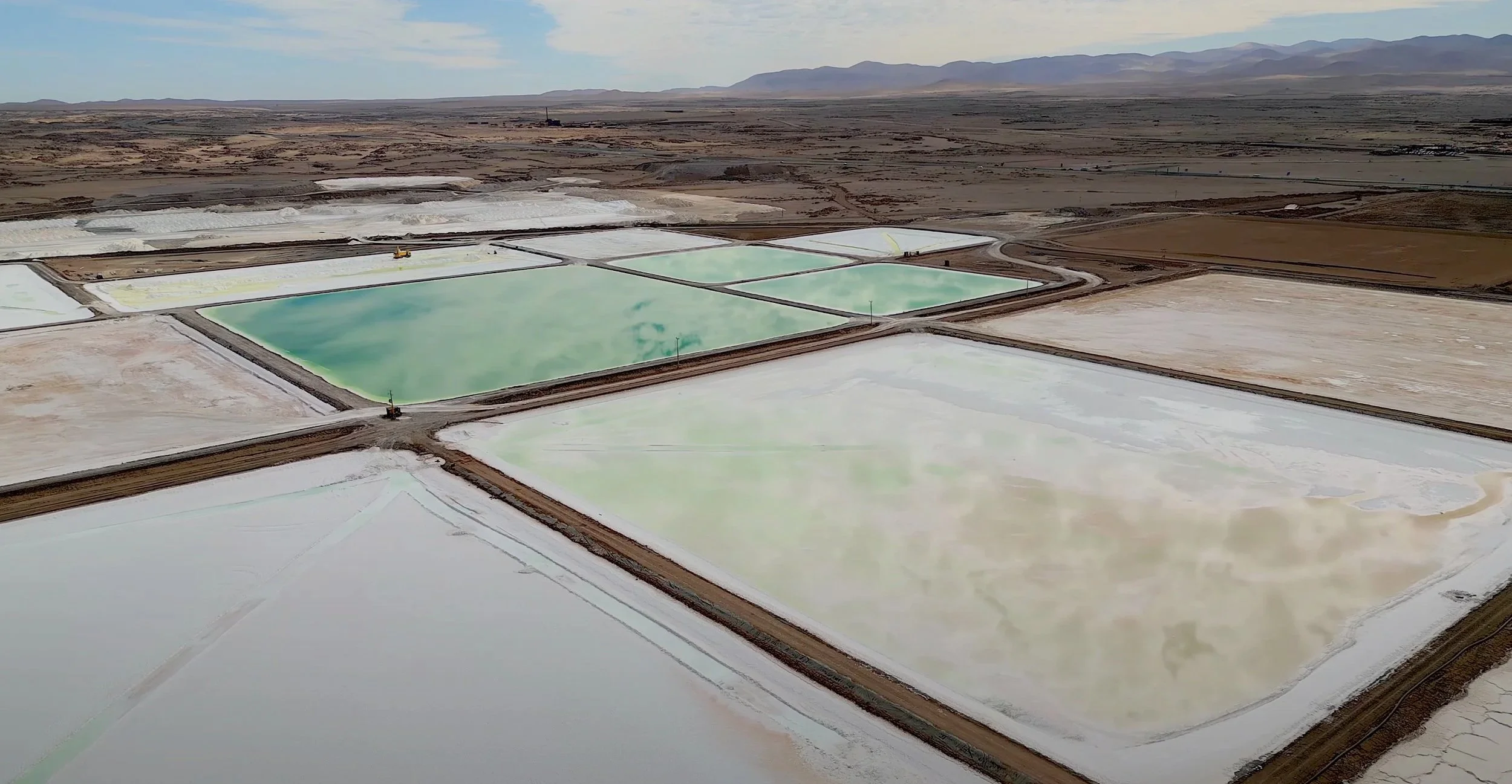
The direct lithium extraction process refers to a group of advanced methods designed to recover lithium directly from brine resources without relying on large evaporation ponds.
Traditional lithium production often requires months or even years of solar evaporation. In contrast, direct lithium extraction technologies use engineered systems to selectively separate lithium ions from brine much faster and with greater control.
Modern lithium extraction technology solutions are increasingly being adopted to:
Improve recovery rates
Reduce operational costs
Support local water resources
Minimize environmental damage
Increase production flexibility
As global demand for lithium continues to rise, producers are investing heavily in advanced technologies that improve supply chain reliability and long-term sustainability.
HOW tHE DIRECT LITHIUM EXTRACTION PROCESS WORKS
The direct lithium extraction process involves several stages that work together to isolate lithium from underground brine resources efficiently.
Brine Collection and Pre-Treatment
Lithium-rich brine is pumped from underground reservoirs into processing systems. Before extraction begins, impurities such as magnesium, calcium, and other minerals are removed through water treatment and filtration stages.
Proper pre-treatment improves system performance and helps protect extraction equipment from scaling and contamination.
Lithium Separation Through Advanced Technologies
The core of most lithium extraction technology systems involves selectively capturing lithium ions while allowing other dissolved minerals to remain in solution.
Several advanced technologies are currently used in DLE systems, including:
- Adsorption systems
- Ion exchange
- Solvent extraction
- Membrane filtration
- Electrochemical processing
One of the most common methods is adsorption-based DLE, which uses engineered sorbent materials that attract lithium ions selectively from the brine stream.
Lithium Recovery and Closed-Loop Processing
Once lithium is separated, the concentrated solution is refined into lithium carbonate or lithium hydroxide for battery production.
Many direct lithium extraction facilities are designed as a closed-loop system, where processed or spent brine is reinjected underground after lithium removal. This helps reduce water loss and supports more responsible management of local water resources.
Compared to traditional evaporation ponds, this approach significantly reduces surface disruption and production timelines.
TECHNOLOGICAL ADVANTAGES OF DLE
Direct Lithium Extraction technology removes the need for evaporation ponds while maximizing lithium recovery. With advanced filtration and chemical separation, DLE makes extraction faster, cleaner, and more efficient, reducing environmental impact.
Faster Results – Instead of waiting years, DLE extracts lithium in just days, keeping up with demand.
More Lithium, Less Waste – Advanced processing techniques pull more lithium from each drop of brine, reducing waste.
Uses Less Water – A closed-loop system means water is recycled, not lost.
Smaller Footprint – No need for massive evaporation ponds, protecting land and local ecosystems.
Lower Environmental Impact – A cleaner, more efficient process that helps make lithium production more sustainable.
Flexible & Scalable – Works with different lithium-rich brine sources, making it adaptable for future needs.
WHY DIRECT LITHIUM EXTRACTION IS BECOMING MORE IMPORTANT
The rapid growth of electric vehicles and renewable energy storage has created unprecedented global demand for lithium resources.
Traditional extraction methods are facing increased scrutiny due to:
Long development timelines
High water consumption
Environmental damage
Land disturbance
Geopolitical risk tied to concentrated supply regions
Direct lithium extraction technologies are being developed to address many of these challenges.
FASTER PRODUCTION AND HIGH EFFICIENCY
Traditional evaporation methods can require more than a year to produce usable lithium concentrations.
Direct lithium extraction systems offer:
Faster processing
Continuous production
Higher efficiency
Improved recovery rates
These improvements help operators respond more quickly to market demand while improving economic feasibility.
REDUCED ENVIRONMENTAL DAMAGE
Traditional mining and evaporation ponds can occupy large land areas and place pressure on local ecosystems.
By comparison, DLE systems are designed to:
Reduce evaporation losses
Protect local water resources
Minimize land disturbance
Lower environmental damage
Support sustainable resource management
These sustainability improvements align with growing global sustainability goals across the mining and energy sectors.
IMPROVED WATER TREATMENT AND RESOURCE MANAGEMENT
Water availability is becoming a major issue in lithium-producing regions.
Modern DLE facilities often incorporate advanced water treatment systems that allow operators to recycle water and manage spent brine more effectively.
The ability to reinject processed brine within a closed loop system helps preserve aquifer stability while supporting long-term resource development.
COMPARING DIRECT LITHIUM EXTRACTION TO TRADITIONAL MINING
Traditional mining methods for lithium production often involve either:
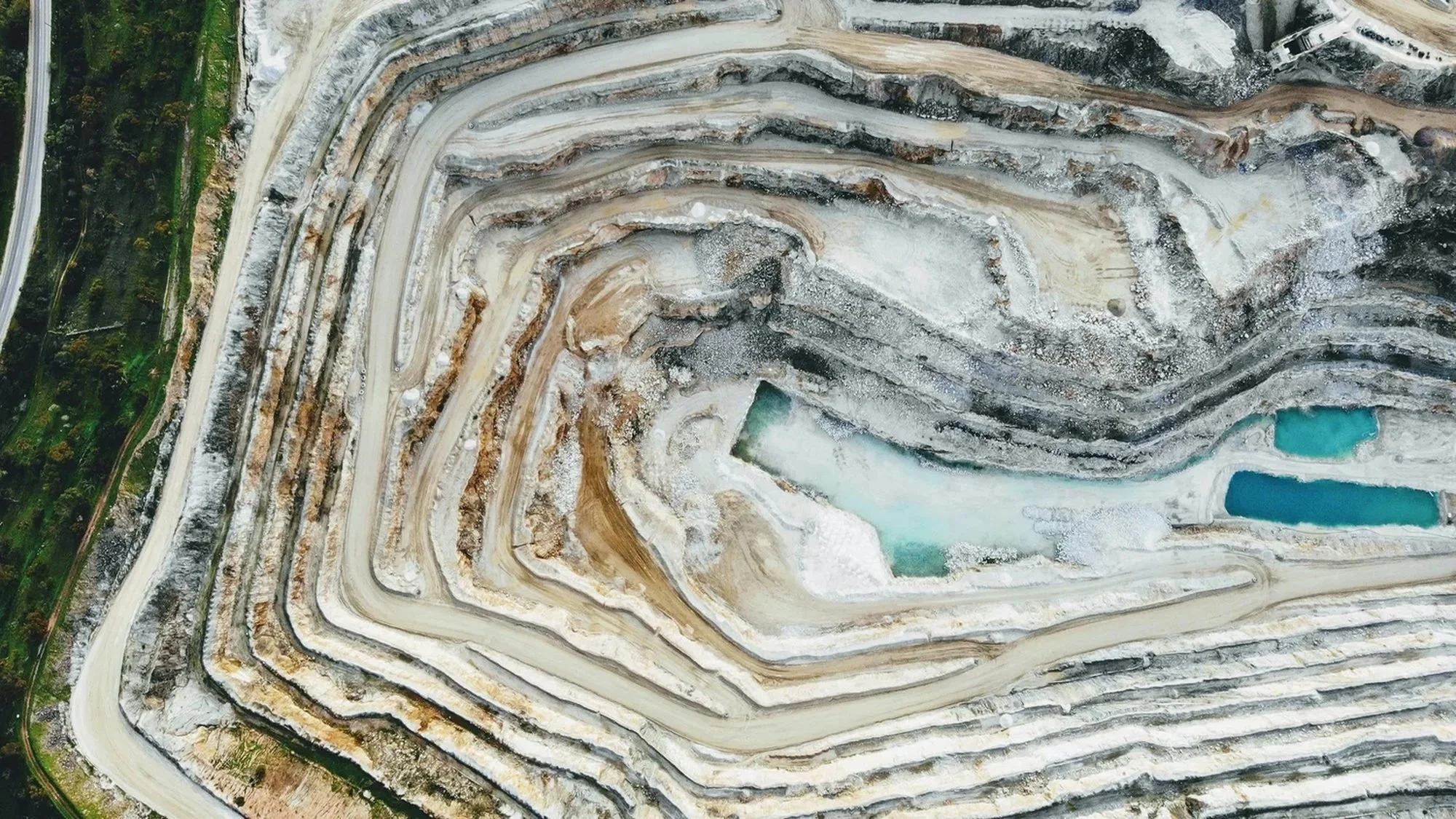
Hard rock extraction from open pit mines
Solar evaporation from brine ponds
Both methods can present operational and environmental challenges.
OPEN PIT MINES AND HARD ROCK EXTRACTION
Lithium extraction from open pit mines typically requires:
Large-scale excavation
Significant energy use
Crushing and chemical processing
Higher operational costs
While hard rock mining remains important globally, many companies are exploring DLE alternatives to improve efficiency and sustainability.
EVAPORATION PONDS VS. DIRECT LITHIUM EXTRACTION
Evaporation ponds rely heavily on climate conditions and long concentration timelines.
Direct lithium extraction offers several advantages over traditional evaporation systems:
Faster lithium recovery
Smaller physical footprint
Reduced water loss
Greater operational flexibility
Better scalability
These benefits are helping DLE gain momentum across global lithium development projects.
Insert an Image: Comparison between traditional lithium evaporation ponds and a modern direct lithium extraction facility.
Alt Text: Traditional mining and direct lithium extraction technology comparison for lithium production
THE ROLE OF ADSORPTION BASED DLE IN MODERN LITHIUM PRODUCTION
Among emerging DLE systems, adsorption based DLE technologies are receiving significant industry attention.
These systems use specialized sorbent materials that selectively bind lithium ions from brine solutions.
Key advantages include:
High efficiency lithium recovery
Faster processing times
Lower chemical consumption
Improved scalability
Because adsorption systems can often be customized for specific brine chemistry, they are becoming an important part of modern lithium extraction technology development.
ECONOMIC FEASIBILITY OF DIRECT LITHIUM EXTRACTION
As lithium demand increases, operators must evaluate both production performance and economic feasibility.
DLE technologies may offer financial advantages through:
Faster production cycles
Higher lithium recovery
Reduced land requirements
Lower long-term operational costs
Improved resource utilization
However, commercialization still requires significant investment in infrastructure, engineering, and system optimization.
The long-term economic success of direct lithium extraction depends on:
Brine composition
Technology performance
Energy availability
Water management
Market lithium pricing
Despite these variables, ongoing investment suggests strong confidence in the future of DLE technologies.

GEOPOLITICAL RISK AND GLOBAL LITHIUM SUPPLY
The global battery industry depends heavily on reliable lithium supply chains.
Concentrated lithium production in limited geographic regions creates potential geopolitical risk for manufacturers and governments.
Direct lithium extraction may help diversify lithium production by enabling recovery from:
Geothermal brines
Oilfield brines
Lower concentration resources
Domestic lithium reserves
This diversification could strengthen supply chain resilience and improve energy security for multiple countries.
INDUSTRY TRENDS DRIVING DIRECT LITHIUM EXTRACTION GROWTH
Several major trends are accelerating investment in direct lithium extraction.
EXPANDING GLOBAL DEMAND
Electric vehicles, renewable energy storage, and battery manufacturing continue driving strong global demand for lithium.
INCREASED FOCUS ON SUSTAINABILITY
Governments, investors, and communities are pushing producers toward cleaner extraction systems that align with global sustainability goals.
ADVANCEMENTS IN LITHIUM EXTRACTION TECHNOLOGY
Continuous innovation in advanced technologies is improving lithium recovery rates and commercial viability for DLE systems worldwide.
PRESSURE TO REDUCE OPERATIONAL COSTS
Producers are seeking extraction systems that improve efficiency while reducing long-term operational costs and environmental liabilities.
KEY TAKEAWAYS
Direct lithium extraction offers a faster alternative to traditional mining and evaporation systems
The direct lithium extraction process improves recovery speed and operational flexibility
Modern lithium extraction technology supports higher efficiency and reduced environmental damage
Adsorption based DLE systems are becoming increasingly important in lithium production
Closed loop systems and advanced water treatment help protect local water resources
DLE technologies may reduce geopolitical risk by diversifying lithium supply sources
Growing global demand continues driving investment in advanced lithium recovery systems
SUPPORTING THE FUTURE OF SUSTAINABLE LITHIUM PRODUCTION
As battery demand continues to accelerate worldwide, lithium producers are under increasing pressure to deliver reliable supply while improving environmental performance.
Direct lithium extraction technologies offer a promising path forward by combining high efficiency lithium recovery with improved sustainability practices and faster production timelines.
From adsorption based DLE systems to advanced water treatment and closed loop processing, the future of lithium extraction is increasingly focused on smarter, cleaner, and more scalable resource development.
Direct Lithium Extraction (DLE) FAQs
-
Direct lithium extraction is a technology-based process that removes lithium directly from brine resources using advanced separation systems instead of evaporation ponds.
-
The process involves brine collection, impurity removal, lithium separation using specialized technologies, and refining lithium into battery-grade products.
-
Adsorption based DLE uses engineered materials that selectively capture lithium ions from brine while allowing other minerals to remain in solution.
-
Many DLE systems reduce water loss, minimize land use, lower environmental damage, and support closed loop water management systems.
-
Compared to traditional mining and evaporation ponds, DLE systems can provide faster production, higher efficiency, and improved environmental performance.